Growing up, we were always told, “Study hard, get good grades, and you’ll achieve in life.”
In fact, books are essential. They provide us with the fundamental ideas, theories, and reasoning underlying how things operate.
The fact that reading about swimming won’t help you float, however, is something that nobody teaches you at a young age. You need to jump into the water.
The difference between book knowledge and practical knowledge is that the former explains how something operates, while the latter proves it.
Let’s discuss why real-world experience frequently outperforms academic knowledge and why both are necessary for true success.
- You Learn the “What” from Books You Learn the “How” Through Practice
Even if you study a hundred pages about communication, you won’t fully comprehend it until you participate in real talks with people and deal with rejections and misunderstandings.
Knowledge from books provides the information.
Understanding comes from practical knowledge.
Consider this: an engineer can learn circuit designs by heart, but they won’t know what functions until they connect connections and test them.
A chef can spend all day reading recipes, but the true learning takes place in the kitchen, where timing is crucial and spices blend.
👉 Takeaway: Knowledge without usage is like having tools you never use.
- Confidence Is Developed Through Experience, Not Just Memory
Anything you do with your own hands or feelings remains in your memory in a different way. You gain confidence by learning from your errors.
A learner who creates a little application, for example, will always retain coding principles better than one who merely reads about programming languages.
You can’t get the courage to take action without practical knowledge.
Because you no longer believe you can—you know you can—after you’ve completed the task on your own.
- The Real World Is Not a Textbook
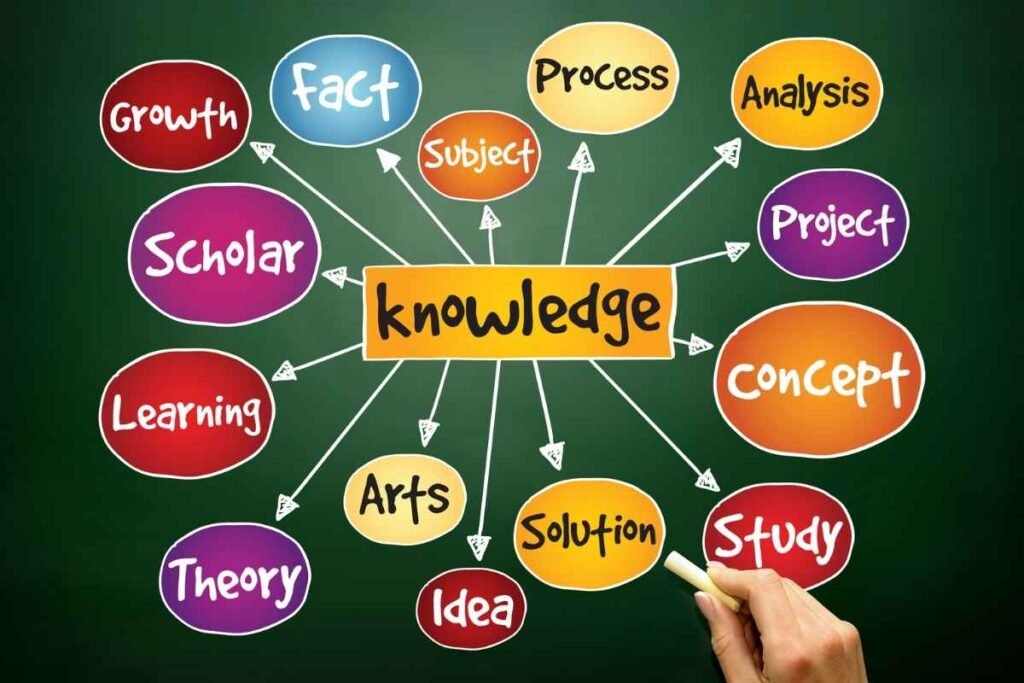
Textbooks make the assumption that life proceeds step-by-step. Actuality? It doesn’t.
In real life, plans change, things go wrong, and people respond in unexpected ways.
This is where practical knowledge comes into play; it teaches you how to think, adapt, and react.
You acquire problem-solving skills in addition to problem-writing.
For example:
Although real customers don’t always act rationally, marketing students may study about “customer behavior” in theory.
While a business student may study “leadership,” real leadership is acquired via managing people—and sometimes failing at it.
👉 People who act, not just readers, are rewarded in this world.
- The Best Teachers Are Mistakes
Errors result in lower grades in school. Errors teach us valuable lessons in life.
You fail when you learn honestly and that’s the whole point. You learn something from every mistake that no book could ever fully explain.
Every “what” has a “why” that you understand.
As they say:
Reading about walking does not teach you how to walk. Falling and getting back up teaches you valuable lessons.
- Skills Are More Important to Employers Than Degrees
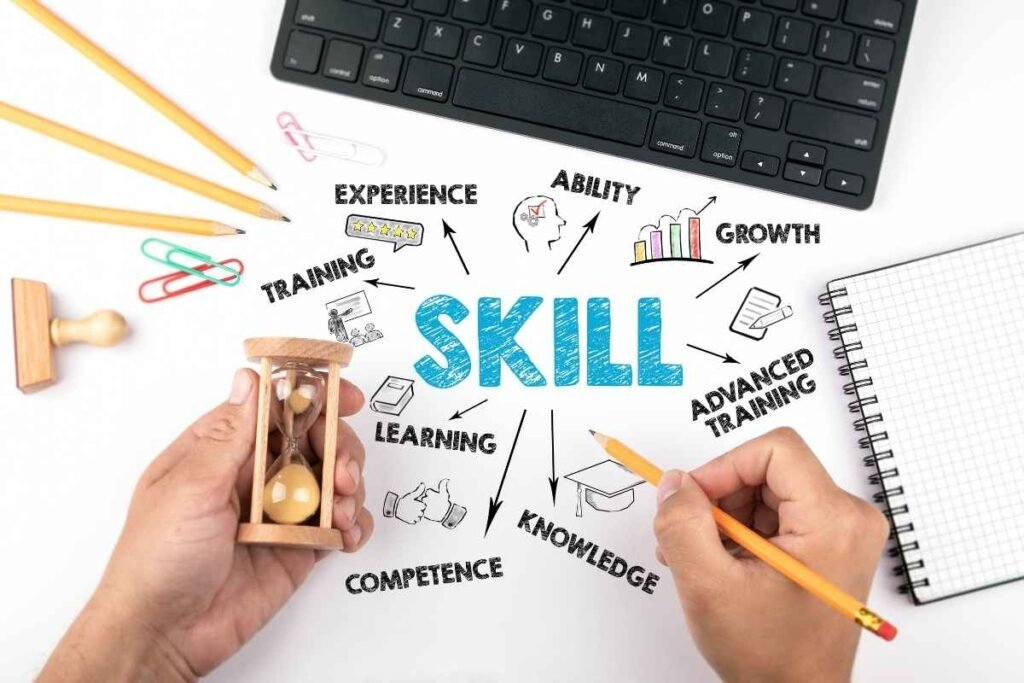
To be honest, a degree by itself does not ensure employment in the modern world.
Employers want out individuals who are capable, not just knowledgeable.
They are looking for people who can work well in a team, solve problems, and think creatively. These qualities come from real-world experiences such as internships, projects, freelancing, workshops, or voluntary work.
Understanding practical knowledge displays your street smarts in addition to your educational ability.
- Practice teaches you when to break the rules that books teach you.
It’s a deep one.
Books frequently teach you “the right way” to do things, but experience shows you that sometimes the best answers come from simply deviating from the norm.
Every great creator, from scientists to artists, learnt the fundamentals from books, but their innovations were the result of experience rather than memory.
👉 When interest and knowledge come together, true creativity occurs.
You get the roots from books.
Growing branches is helped by experience.
Both are necessary, but if you must choose where to begin, do it.
People remember what you’ve done in life, not how many books you’ve read.
Thus, read, learn, and then put it into practice.
Volunteer, try new things, create, guide, fail, and try again.
That’s how self-assurance increases.
That’s how real learning takes place.
You go from knowing something to being someone in this way.