
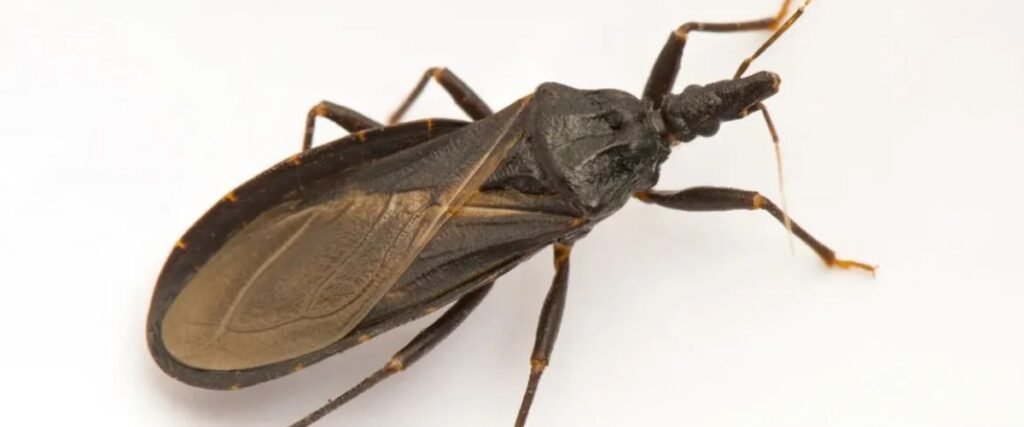
Sharks, snakes, and lions are typically the first animals that spring to mind when we think of deadly animals. However, the reality is much more disturbing. Insects that are so minuscule that we hardly see them until it’s too late are among the deadliest risks to humanity.
These insects don’t yell, chase, or launch spectacular attacks. They swiftly proliferate, discreetly spread illness, and annually impact millions of individuals. Let’s examine seven little insects that are actually more deadly than wild animals in more detail.
- Mosquito – The Deadliest Animal on Earth

Indeed, the mosquito is at the top of the list.
Every year, this small bug kills more people than all wild animals put together. Diseases including malaria, dengue, Zika, and chikungunya are spread by it. A little bite might cause organ failure, a high fever, or even death.
The prevalence of mosquitoes is what makes them so hazardous. They breed quickly, dwell close to people, and bite silently.
- Tsetse Fly – The Silent Killer
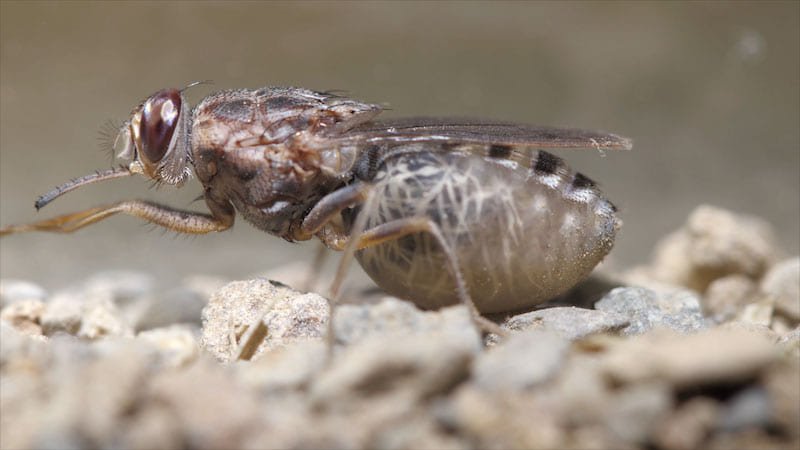
The tsetse fly, which is mostly found in Africa, is responsible for the spread of sleeping sickness, a neurological illness.
Headaches and exhaustion are the initial mild symptoms. However, it can cause confusion, a coma, and even death if left untreated. Until significant harm has been done, many people are unaware that they are infected.
- Kissing Bug – Deadly While You Sleep
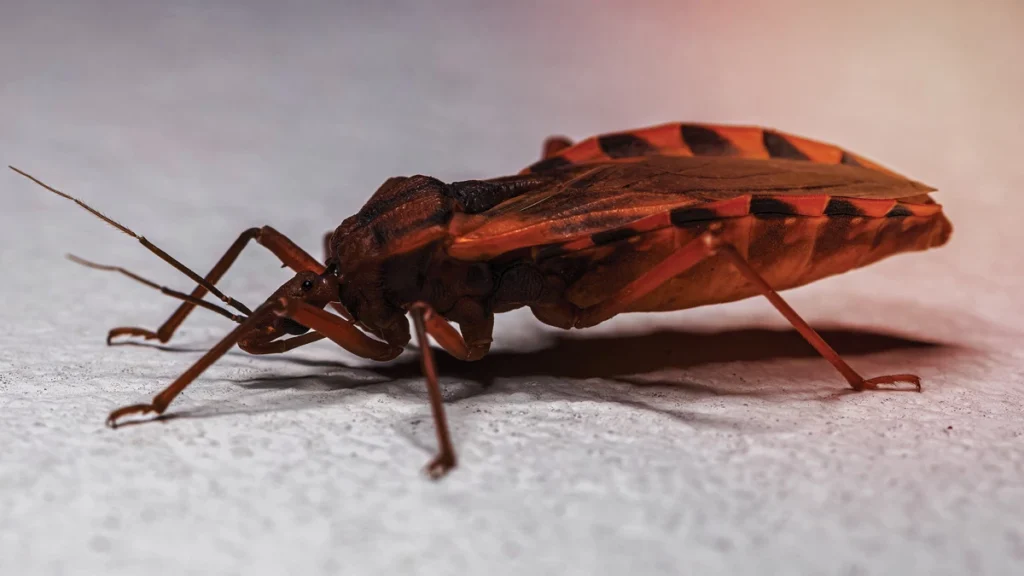
Although the kissing bug seems harmless, it can spread Chagas disease, a dangerous condition that affects the digestive and cardiac systems.
People are typically bitten around the mouth or eyes at night. Infected people may experience heart failure years later without ever associating it with that single bite.
This insect is particularly harmful because of its delayed damage.
- Fleas: Tiny but Deadly in the Past
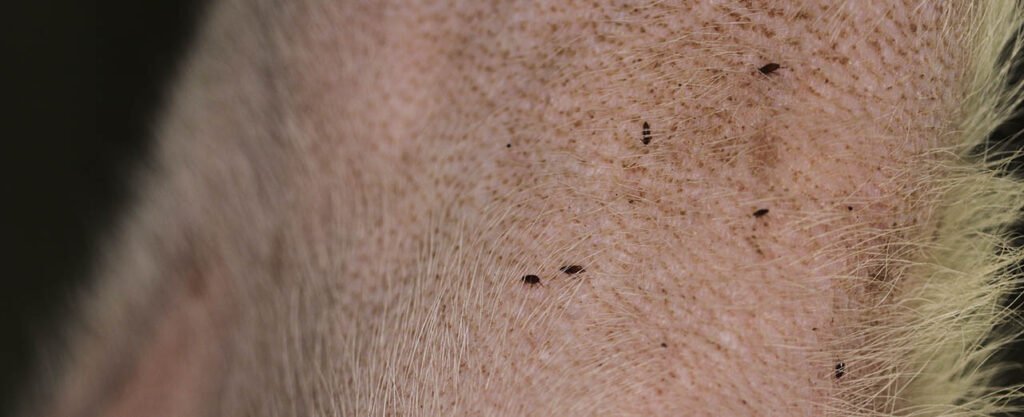
Although fleas might only appear like a bothersome irritation, history reveals a more sinister tale.
One of the deadliest pandemics in history, the Black Death, was spread by them. Fleas can still spread dangerous bacterial illnesses from animals to people.
They are effective disease vectors because they may swiftly switch hosts.
- Black Widow Spider: Venom in a Small Body

The black widow spider is small, glossy, and difficult to spot. It has strong venom.
Although bites are rarely fatal when treated, they can result in:
. Severe pain in the muscles
. Breathing issues
. Cramping and nausea
Older adults and children are particularly vulnerable.
- Fire Ants: Uncomfortable and possibly lethal
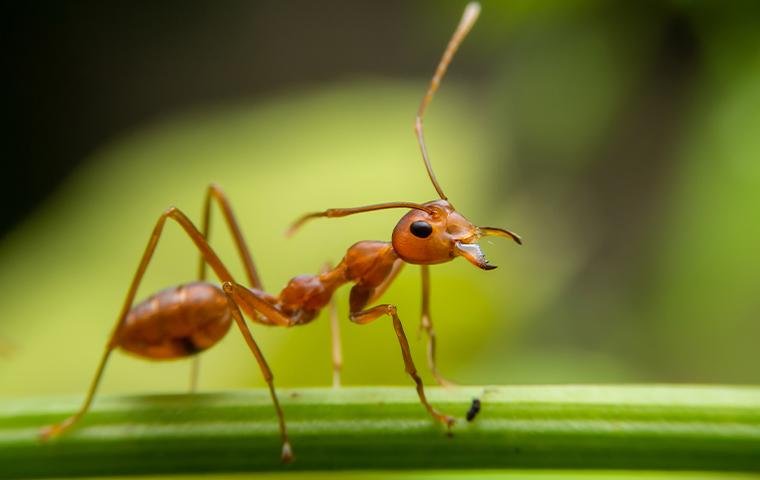
Fire ants continually sting and attack in bunches. Intense scorching pain, swelling, and allergic reactions are caused by their venom.
Multiple stings can cause anaphylactic shock in persons with severe allergies, which can be fatal if left untreated.
- Housefly: More Unclean Than You May Imagine
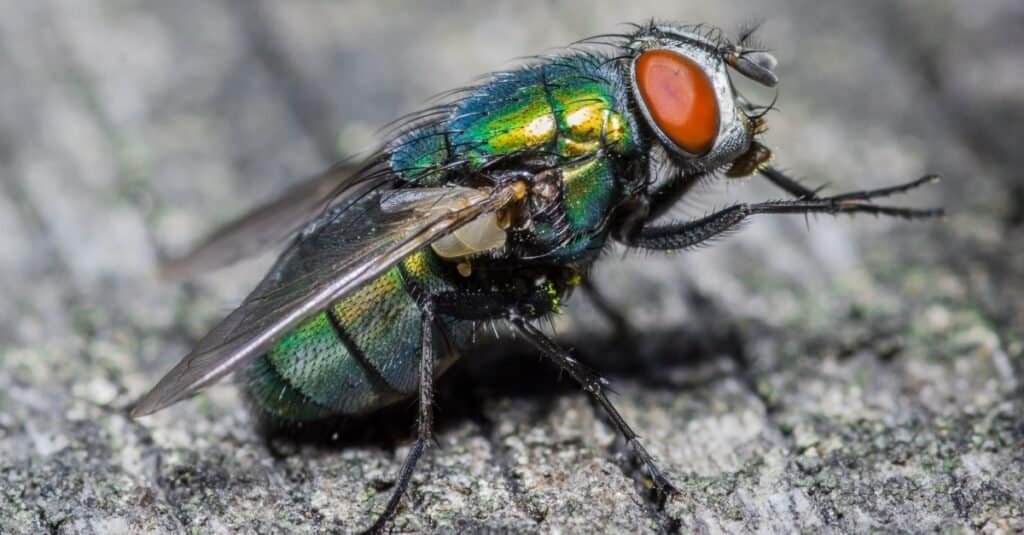
Although it doesn’t bite, the common housefly disperses bacteria wherever it settles.
From meal plates to trash, it contains microorganisms that lead to:
. Foodborne illness
. Cholera
. Dysentery
Flies are ubiquitous and contribute significantly to the transmission of illness, particularly in unsanitary places.
Why Wild Animals Are Less Dangerous Than Tiny Insects
Wild animals can be seen, avoided, and often only attack when they feel threatened. Conversely, insects:
. Live near people
. Silently spread illnesses
. Multiply quickly
. impact millions of people annually.
In the long run, such combination makes them far more hazardous.
Concluding Remarks
Danger is not determined by size. These microscopic insects demonstrate how even the tiniest organisms may have a profound effect on human existence.
Some of the deadliest hazards in the world don’t roar or bite loudly, so keep that in mind the next time you swat a mosquito or ignore a fly. Quietly, they buzz.