
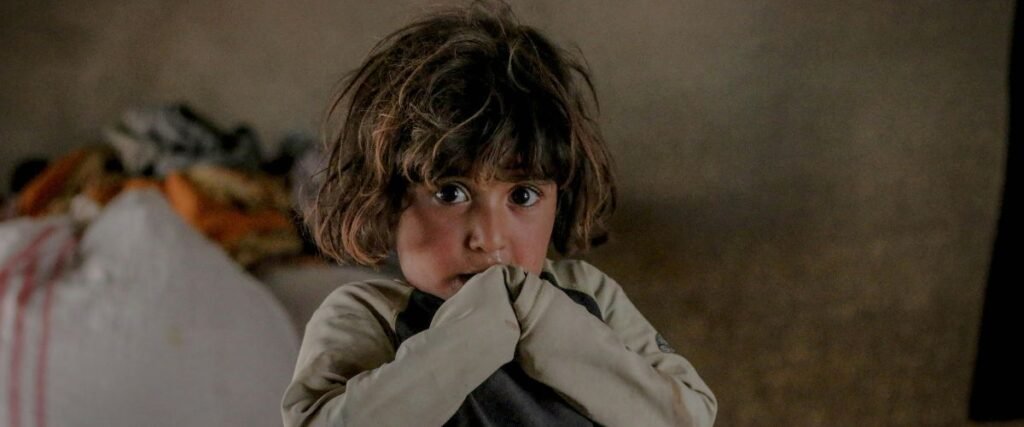
A child’s first teachers, heroes, and emotional safe haven are their parents. As kids get older, the words their parents use become the voice they hear in their own minds.
Randomly, parents sometimes say things that can seriously harm a child’s self-esteem, emotional well-being, and sense of security. These remarks may be spoken out of stress, rage, or frustration, but they can have a lasting impact.
These are some of the worst things parents should never say to their kids, along with the reasons behind them.
- “Why are you unable to copy your siblings or other children?”

Instead of building confidence, this fosters rivalry and comparison.
“I am not enough as I am” is what the child learns from it.
Instead of being judged by others, children should feel valued for who they are.
- “You make mistakes all the time.”
Rather than addressing a particular behavior, this identifies the youngster as a failure.
“I am a problem, not just someone who made a mistake” is what the child learns from it.
Errors should be viewed as teaching opportunities rather than personal faults.
- “Quit crying.” It doesn’t matter.

This reduces a child’s feelings.
“My feelings don’t matter” is what the youngster learns from it.
Even in situations that seem insignificant to an adult, children must understand that their feelings are legitimate.
- “You’re really lazy.”
This is an attack on identity rather than behavior.
The lesson it imparts to the child is: “I am naturally lazy. Why even try?
It is healthier to focus on guidance, support, and motivation rather than labels.
- “This is what I get for doing everything for you?”
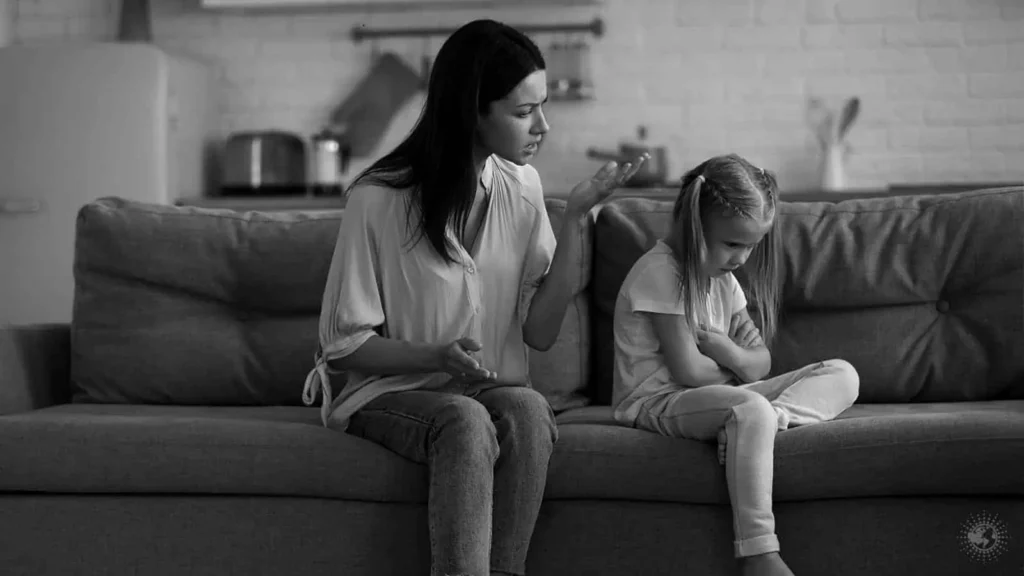
Instead of promoting happiness, this leads to guilt.
“I am a burden” is what the child learns from it.
Instead of feeling as though they owe their existence, children should feel valued.
- “You’ll never be successful.”
Hope and confidence are destroyed by this.
“My future is already decided — and it’s bad” is what the child learns from it.
Children develop into the people they think they can be.
- “You’re overly sensitive.”

Emotional consciousness is shamed by this.
“My emotions are wrong” is what the child learns from it.
Sensitivity is empathy, awareness, and emotional intelligence, not weakness.
- “Because I stated that.”
Curiosity and communication are shut off as a result.
“My thoughts and questions don’t matter” is what the child learns from it.
Giving explanations fosters trust and understanding.
- “I feel let down by you.”
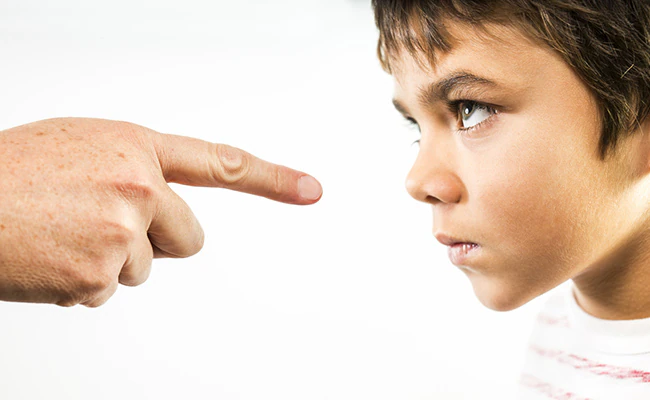
This undermines the child’s basic demand for parental acceptance.
“I am not worthy of love when I fail” is what the child learns from it.
Even when they make errors, kids need to feel that they are loved.
- “You are an issue.”
One of the most harmful things a child may hear is this.
The child learns, “I shouldn’t exist.”
No child should feel unwelcome, challenging, or like an error.
The Significance of These Words
Youngsters take in words, not just hear them.
Parents’ repeated words help them develop their sense of identity, self-talk, emotional control, and self-esteem.
The voice of a parent becomes the inner voice of a child.
Concluding Remark
No parent is flawless. Everyone becomes impatient. Everybody says things they later regret.
Awareness, prayer, and development are what count.
Children are not spoiled by kind remarks.
Authority is not decreased by respect.
Discipline is not decreased by love.
However, a child’s entire destiny might be subtly shaped by harsh words.
Select words that strengthen rather than weaken. ❤️