
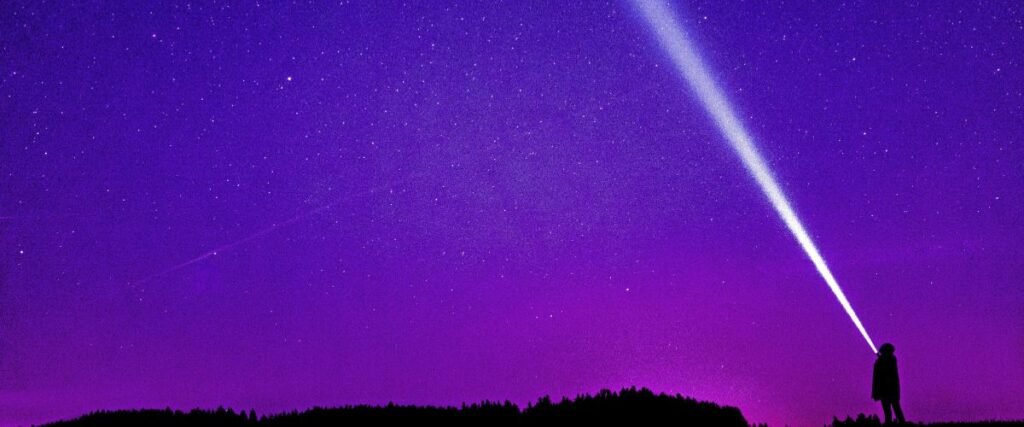
We often feel little when we gaze up at the night sky. However, cosmic loneliness is a deeper emotion than that. The cosmos is more than large. Most of it is deserted. There are locations so far that nothing has touched them in billions of years—between stars, between galaxies, and even beyond light itself.
Let’s travel across the universe’s most lonely locations, where distance is everything and quiet is unending.
- The Vast Cosmic Void
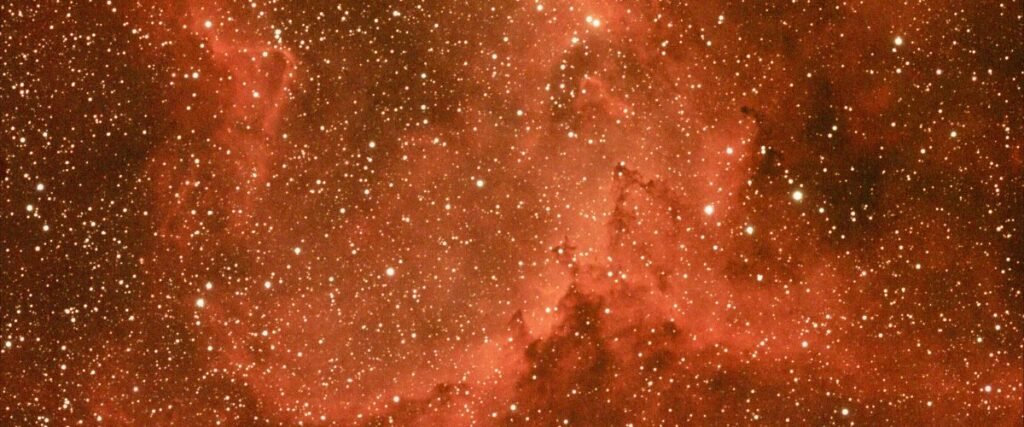
Cosmic voids are vast areas that exist between galaxies. There are virtually no stars, planets, or light in these regions.
Hundreds of millions of light-years are the width of some voids.
Imagine traveling for millions of years and seeing nothing at all. A cosmic emptiness is a region where even gravity is lonely.
- The Great Nothing, or the Boötes Void
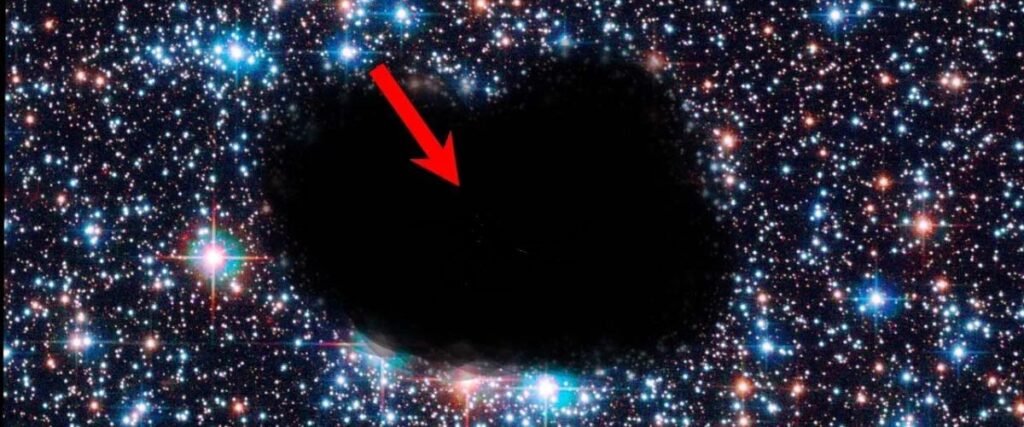
The Boötes Void is one of the most well-known isolated locations.
About 330 million light-years in diameter
. Almost empty
. has a relatively small number of galaxies for its size.
. It looks a massive hole punched into the cosmos.
Every direction would appear empty and dark if you were within it; there would be no surrounding stars or the Milky Way, just an endless black.
- Intergalactic Space
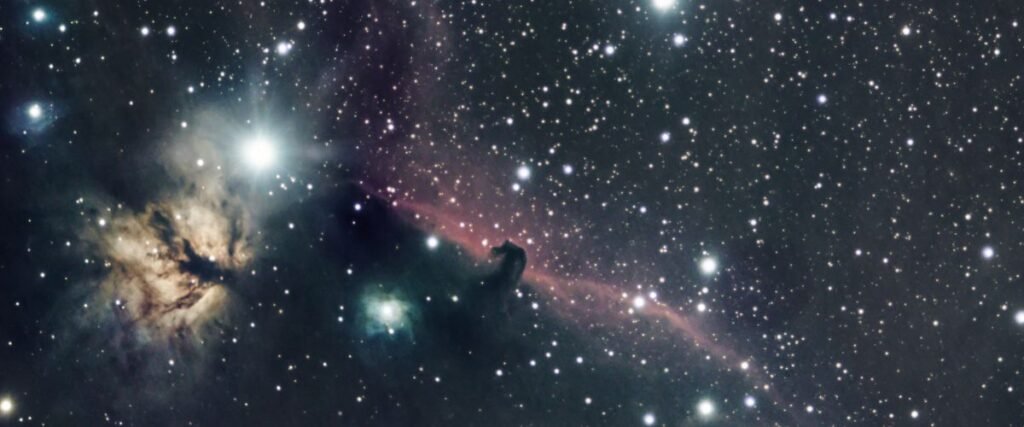
Compared to the space between stars, the space between galaxies is much more empty.
Usually speaking:
. Here, there is just roughly one atom per cubic meter.
. No vacuum we can make on Earth is as empty as that.
Not only is intergalactic space silent, but it is essentially nothing at all.
- Wandering Worlds, or Rogue Planets
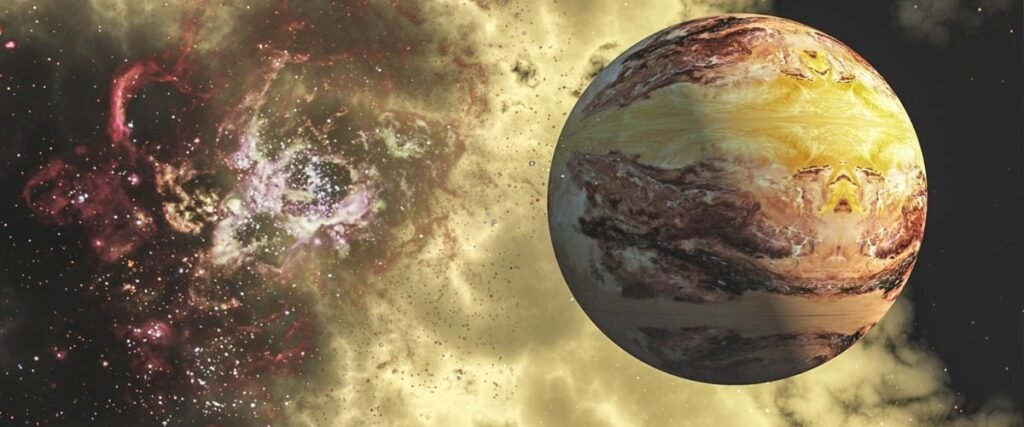
Not every lonely location is deserted. Some are busy, but they’re by themselves.
Planets that have been expelled from their star systems and are presently floating aimlessly across space are known as rogue planets.
No sunlight.
No coziness.
No orbit.
All that’s left is a chilly, black world that floats aimlessly into emptiness.
They may be the universe’s most emotionally isolated objects.
- The Observable Universe’s Edge
Our vision is limited to 46.5 billion light-years in each direction.
Beyond that boundary:
Light hasn’t had time to get to us yet.
What’s there is unknown to us.
It’s unknowable loneliness, not simply bodily loneliness.
Knowledge itself ends at the boundary of the observable universe.
- The Cold Emptiness Following Heat Death
The universe might experience heat death in the far future:
. Every star burns out.
. There is no creation of new energy.
. Everything cools to the same low temperature.
The universe then turns into a single, enormous, lonely place that is timeless, silent, black, and frozen.
Why It Feels So Lonely Here
Being alone is only one aspect of loneliness; being separated is another.
These locations are lonely due to:
. Seldom does light reach them.
. There is hardly any matter.
. Nothing changes as time goes on.
. Nothing takes place.
They are the antithesis of motion, connection, and life.
Concluding Remarks
The universe’s most desolate locations serve as a potent reminder of something:
👉 Our presence is uncommon. 👉 Relationships are valuable. Life is amazing, yet it is not guaranteed.
The fact that we are here, united, on a tiny blue planet in a largely empty cosmos is nothing less than a miracle.
The universe is much lonelier than you are, so keep that in mind the next time you feel lonely. 🌌
And yet, here you are. alive. conscious. linked.
That in and of itself is lovely.