
It may seem unattainable to have your own garden as cities expand taller and houses get smaller. The good news is that you can raise your own food without a large property. With a little thought and attention, you can turn any rooftop, windowsill, or balcony into your own green haven.
Urban gardening is a movement that is more than simply a fad. It helps you relax, eat fresh, organic produce you have grown yourself, and connect with nature. In 2025, you should start growing plants, regardless of how limited your room is, if you’ve ever thought, “I wish I had space for plants.”
Let’s look at some simple yet useful advice for getting started growing food in a tiny area.
- Begin Small and Wisely
Start with simply three or four simple plants, such as spinach, mint, coriander, or basil. These greens and herbs grow quickly, require little maintenance, and even flourish in partial sunlight.
Choose veggies that are compact (such as baby carrots, mini bell peppers, or cherry tomatoes) because they grow well in small containers and take up little room.
Pick pots with holes for drainage and light soil (for improved airflow, add compost or coco peat).
- Use the Walls to Go Vertical!
If floor space is limited, consider the ceiling. One of the most popular trends for urban residences in 2025 is vertical gardening.
You can make use of:
Hanging baskets or pots
Shelves installed on the wall
Recycled tin cans or bottles
Using old shoe organisers into pockets for plants
You can grow more in less room and create a gorgeously green wall by going vertical.
☀️ 3. Recognise Space and Light
The majority of food plants require 4–6 hours of sunlight per day. Your growing spot is the area of your house that receives the most light.
Don’t worry if you live in a flat with little natural light. Plants that tolerate shade, such as spinach, lettuce, and some herbs, should be grown. You can even spend money on tiny LED grow lights, which are currently reasonably priced and well-designed.
- Use Water Sensibly
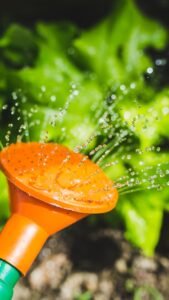
One of the most common mistakes made by beginners is overwatering. Recall that plants require steady moisture, not “more water.”
When it’s colder, drink water in the morning or late at night. Avoid regular watering stress by using a spray bottle for self-watering pots and delicate herbs.
Pro Tip: Dig an inch into the ground with your finger. It’s time to water if it seems dry.
🍅 5. Create Your Own Compost
Fertilizers can be pricey, but your kitchen trash is pure gold for plants! Organic compost can be made from tea leaves, fruit leftovers, and vegetable peels.
Use an old bucket or even a tiny compost container. You will get free, chemical-free soil that is rich in nutrients to use for your plants in a matter of weeks.
🧤 6. Maintain Fun and Individuality
Gardening is about you, not just about the plants. Make your pots stand out by painting them, labelling your herbs, or sharing your fresh harvests with friends.
Your tiny green spot turns from a pastime to therapy when you feel an emotional connection to it.
Urban gardening is evidence that the only limit is our creativity, not physical space.
You can still produce something lovely, wholesome, and fulfilling even if you live in a small flat or a shared one. You may have a fresh, organic, and vibrant mini-farm at home with just a few pots, a little perseverance, and some daily attention.
Let’s restore nature to our houses in 2025, one plant at a time.