
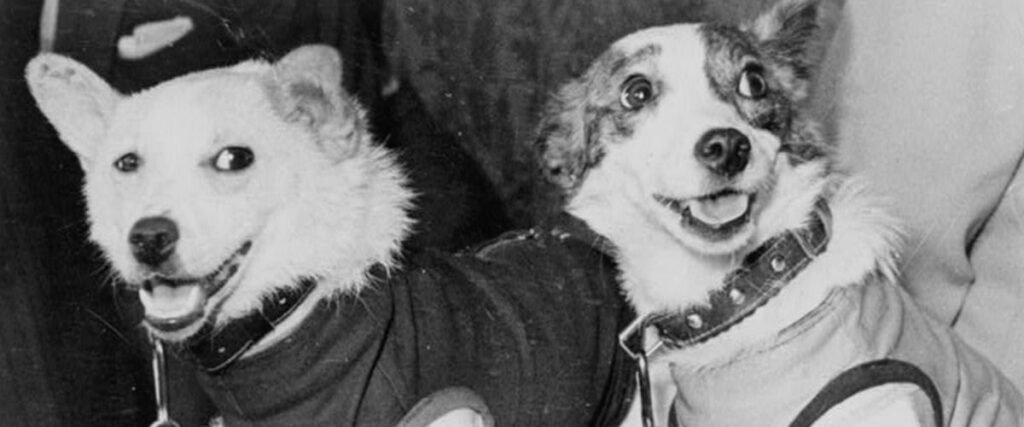
Astronauts wearing heavy suits typically come to mind when we think about space flight. However, animals were the true space pioneers long before humans ever ventured beyond Earth. These unsung heroes gave scientists insight into whether organisms might endure space travel, zero gravity, and the hostile environment.
Here is a human-style look at seven animals—some well-known, some forgotten, but all significant—that ventured into space before humans ever did.
- Fruit Flies – The First Space Explorers
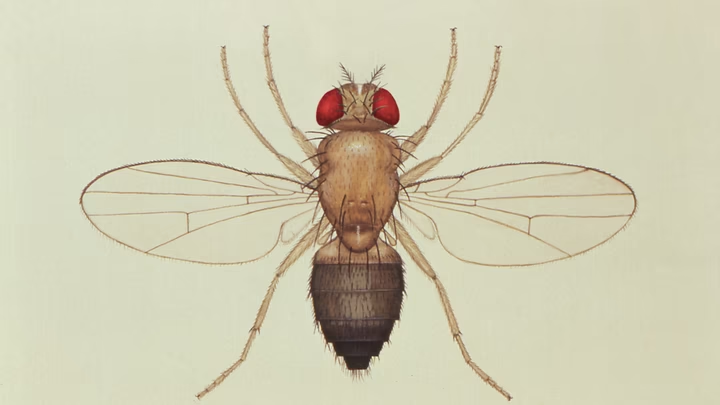
Fruit flies were the first animals launched into space in 1947, before people, dogs, or monkeys.
They were selected by scientists due of their rapid reproduction and many genetic similarities to humans. The objective was straightforward: Would living cells be harmed by radiation in space?
Fortunately, the flies made it back safely, demonstrating that life could exist in space.
- Monkeys: The closest species to humans
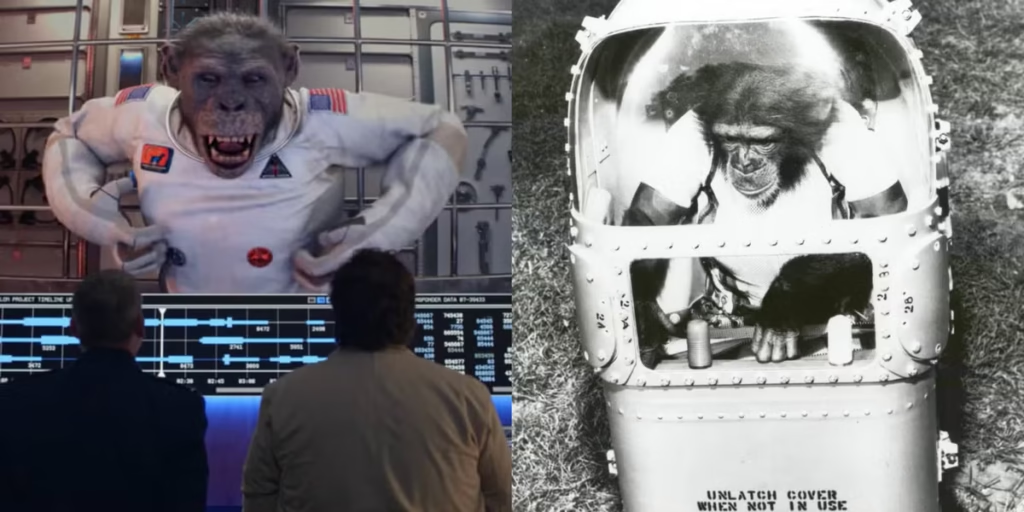
Because of how similar their biology is to ours, monkeys were sent next. Launched in 1949, Albert II was one of the most prominent.
Unfortunately, a lot of the early monkey missions ended poorly because of technical issues. However, these missions yielded important information regarding:
. Heart rate
. Blood pressure
. Anxiety at the launch
Scientists were able to prepare for human spaceflight thanks to their sacrifice.
- Dogs: The First Real Space Partners of Humanity
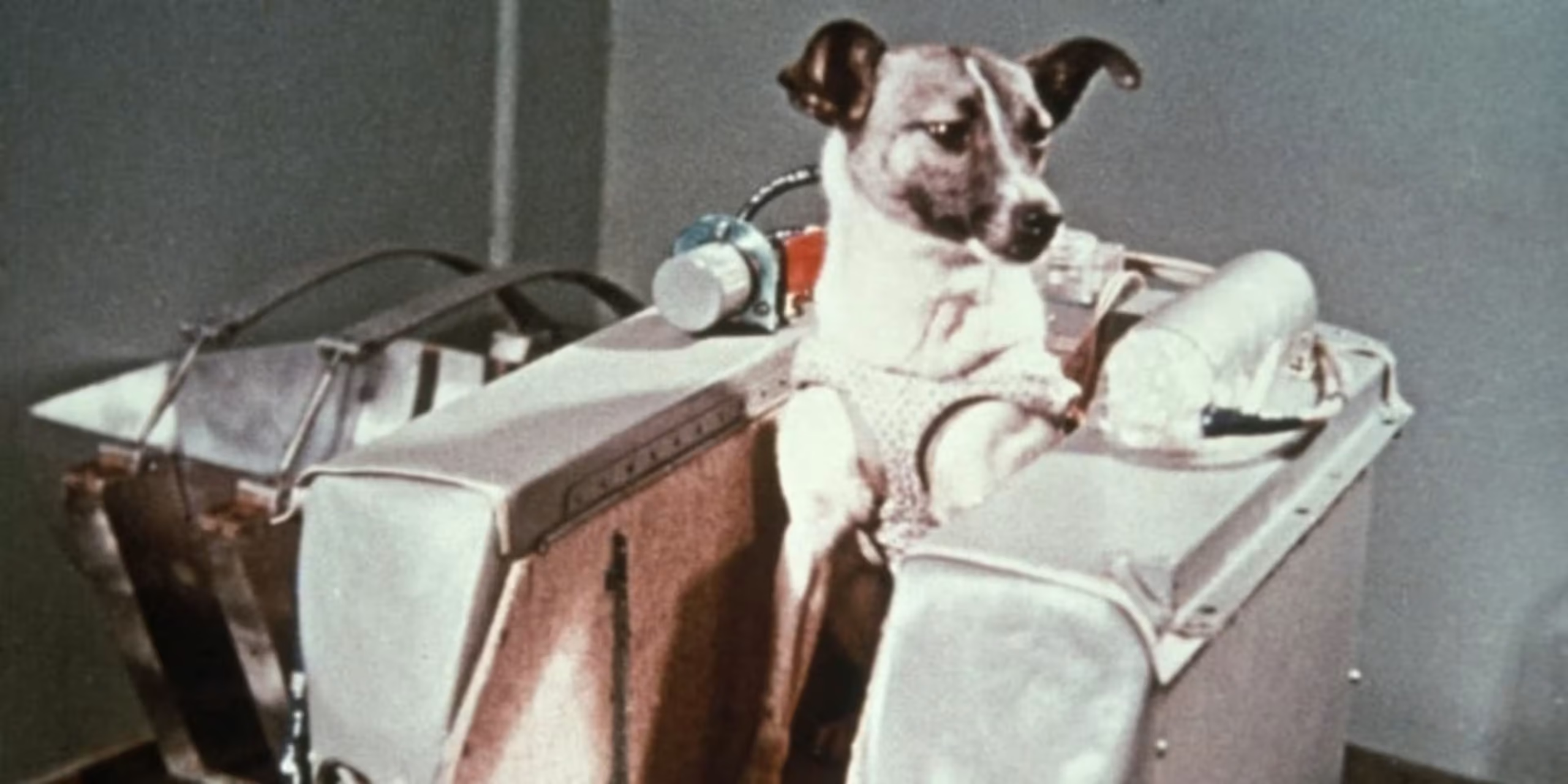
Particularly in the Soviet program, dogs came to represent early space exploration.
Laika, the most well-known dog, was launched into orbit in 1957. Her voyage demonstrated that a living thing could orbit the Earth, even though she did not survive.
Later, Belka and Strelka created history by orbiting the planet and coming back alive, a significant achievement that immediately paved the way for human missions.
- Cats: An Unexpected Traveler
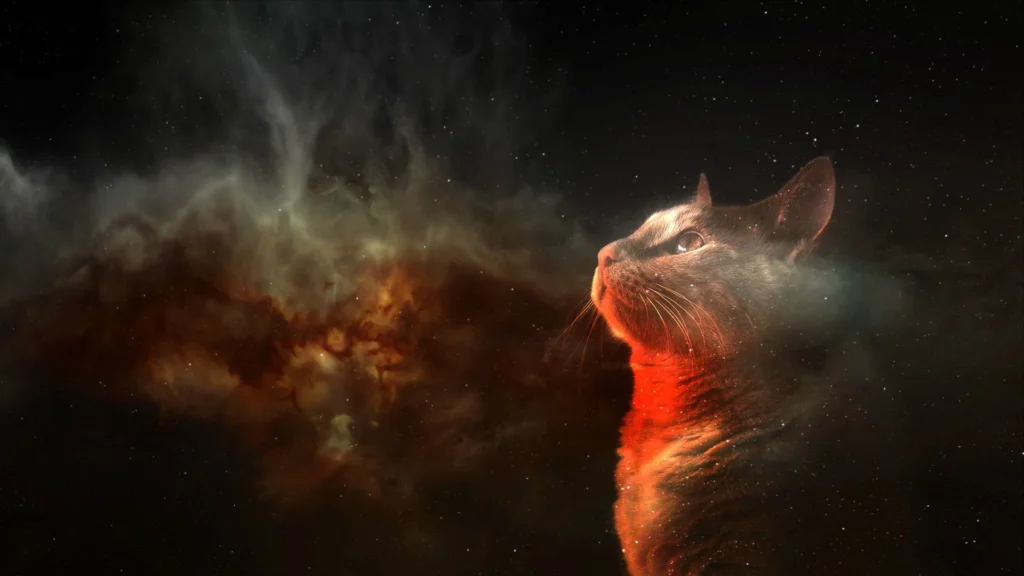
France launched a cat named Félicette into space in 1963.
She received meticulous training and was outfitted with sensors to track brain activity. Félicette was one of the few animal astronauts who return from the journey unharmed.
Her trip produced important neurological facts, which many people are unaware of.
- Tortoises: Hardy and Adaptable
Although tortoises may seem like a strange choice, their slow metabolism makes them ideal test subjects.
Two tortoises were sent around the moon in 1968. Upon their return, scientists discovered:
. A little reduction in weight
. No serious health problems
This demonstrated that even sophisticated life might endure space travel.
- Frogs: Exploring Balance in Space
The effects of zero gravity on movement and balance were studied using frogs.
Frogs first had difficulty in space but eventually adjusted, demonstrating that the nervous system can adapt to weightlessness. Later on, this research helped astronauts cope with motion sickness and vertigo in space.
- Mice: Small still Important
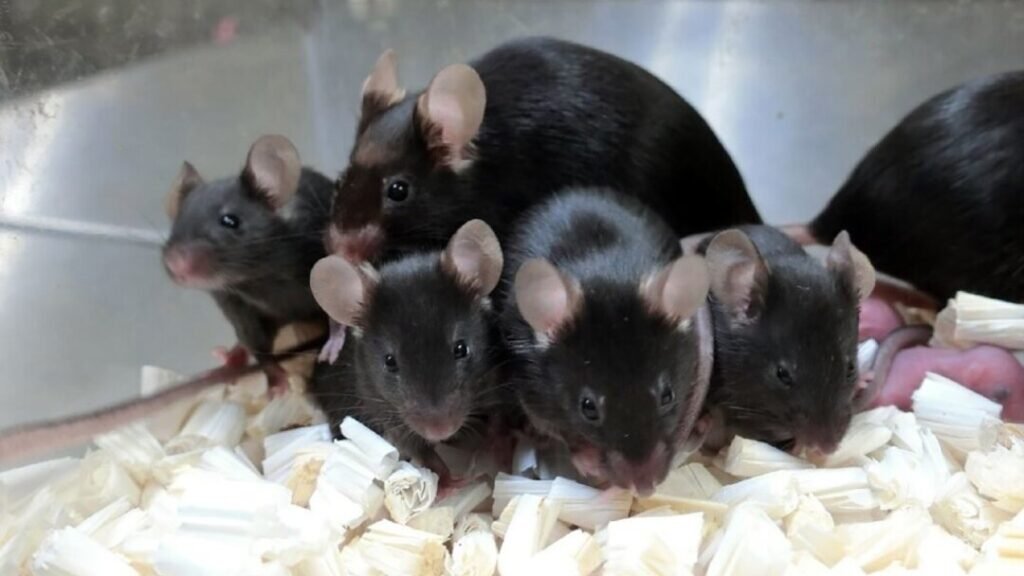
Due to their genetic resemblance to humans, mice have been sent on numerous space missions.
They assisted researchers in studying:
. Loss of muscle
. Variations in bone density
. Long-term space exposure’s effects
Mice are still used extensively in space research on space stations nowadays.
The Significance of These Animals
One crucial topic was addressed by each animal mission: Is it possible for life to exist in space?
In the absence of these initial experiments:
. It would be far riskier to send humans into space.
. There would be no astronaut medical data.
. Space stations and other long-term missions would not be feasible.
They were the unsung heroes who made human exploration possible.
Animals were the first to venture into the unknown before humans lived in space stations or walked on the moon. Their travels were courageous, dangerous, and even devastating, but they were vital.
Remember this the next time you consider space travel: 🚀 Humans weren’t the first. We were guided by animals.