
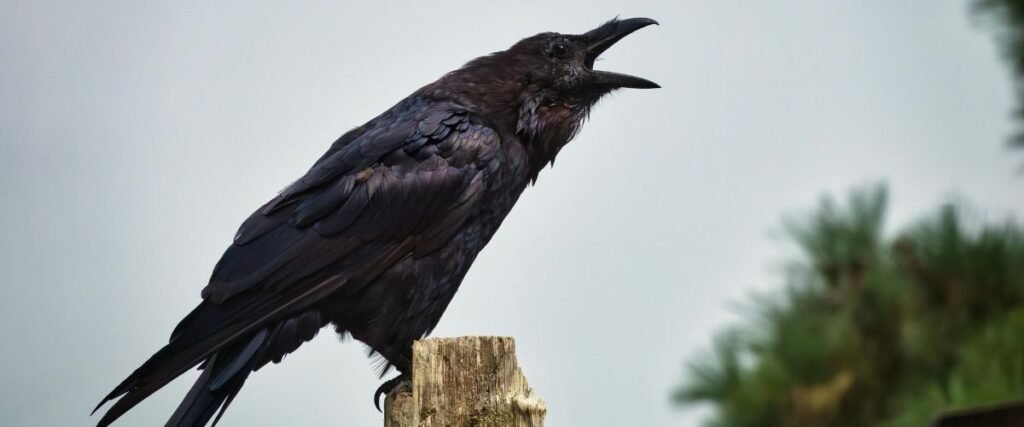
Emotions were thought to be exclusive to humans for a very long period. We believed that animals only followed their instincts in order to feed, survive, and procreate. However, modern science and common observation present a totally different picture. Like humans, animals experience joy, sadness, fear, love, loss, and even empathy.
Let’s investigate some fascinating creatures that exhibit emotions in unexpectedly human-like ways.
- Elephants: The Kind Giants of Grief
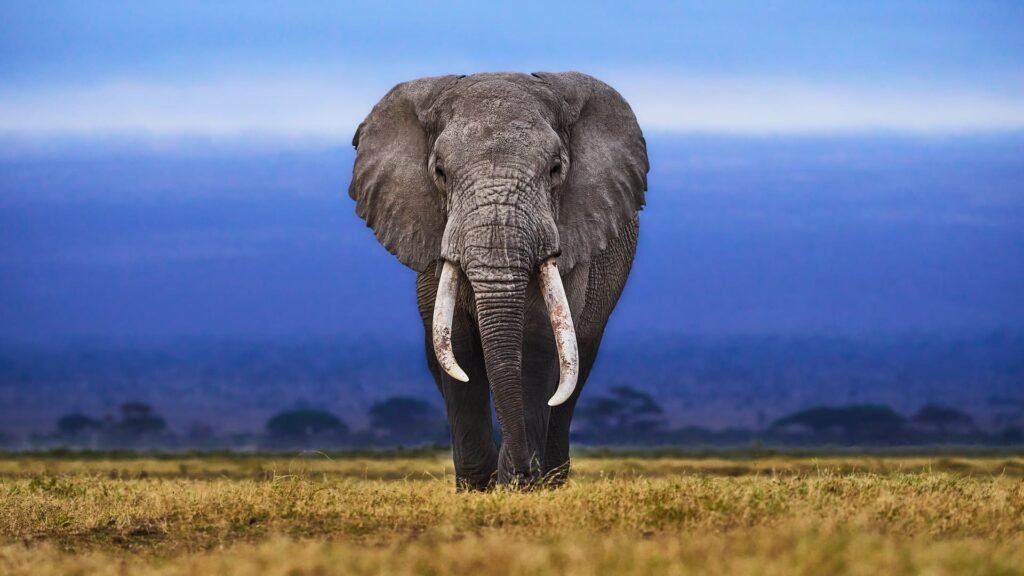
Elephants are renowned for having a high level of emotional intelligence.
Others in the herd frequently congregate around the corpse of a dead elephant. They stand silently, touch the bones lightly with their trunks, and may remain close to the body for days. This conduct resembles grieving.
Elephants also express sadness when a member of their herd is harmed, celebrate births, and guard the young. Strong, emotional, and enduring family ties bind them together.
- Dogs: The Loyalty and Love Masters

Among all animals, dogs are arguably the most emotionally expressive.
They experience joy when their owner returns home, anxiety during storms, and melancholy when they are left unattended for extended periods of time. When their human friend passes away, many dogs experience depression; some even stop eating.
Dogs are also capable of feeling human emotions. Dogs frequently approach people who are depressed or crying, rest their heads on them, or lick their hands—all of which are obvious indicators of emotional empathy.
- Dolphins: playful, sensitive and loving
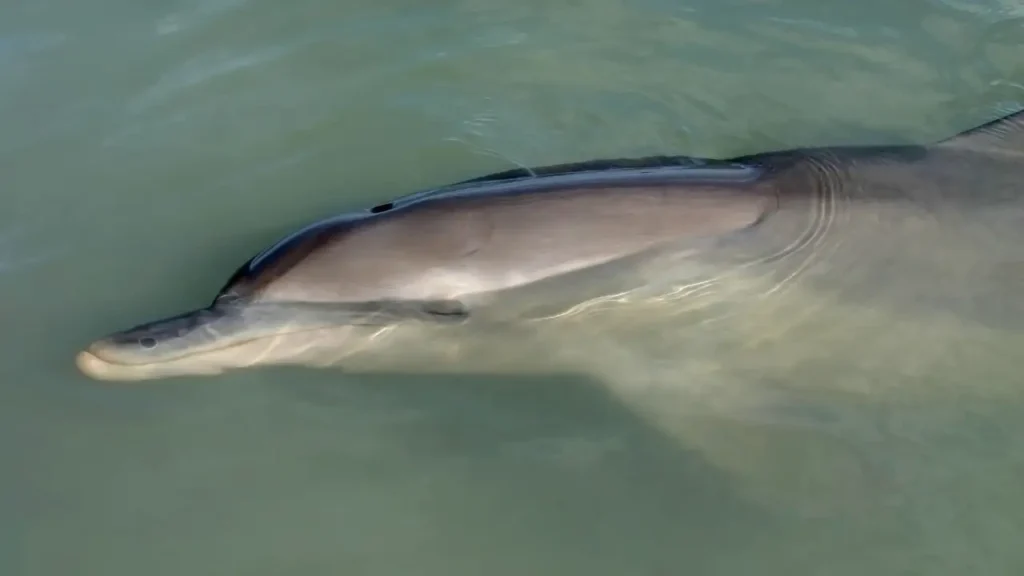
Dolphins have complex emotions and are quite intelligent.
They don’t play games to survive; they play them for leisure. They play tricks, taunt one another, and laugh (with unique sounds). Additionally, dolphins push wounded members of their pod to the surface so they may breathe.
When a dolphin loses a kid, the mother can show sad behavior by carrying a dead calf for days.
- Chimpanzees: Our Emotional Family
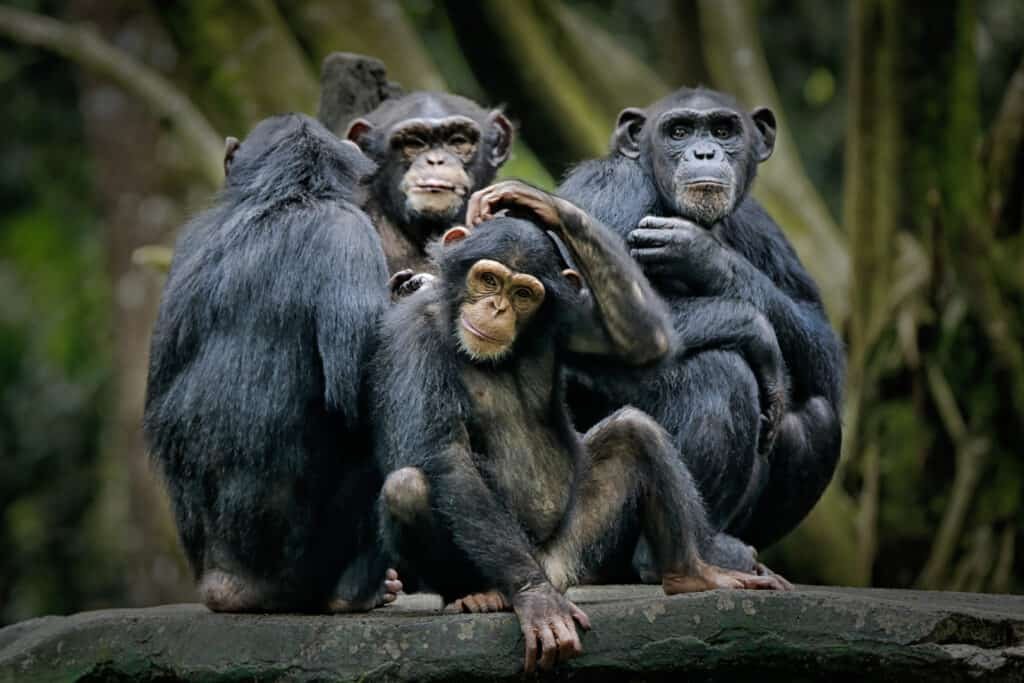
About 98% of human DNA is shared with chimpanzees, and their emotions seem a lot like our own.
After arguments, they give each other hugs, kisses, relief and reconciliation. They display compassion, rage, joy, and jealousy. Other chimpanzees will approach, touch, and comfort a wounded or scared chimpanzee.
They even make a breathy, breathing sound that like human laughing while they are playing.
- Horses: Social and Sensitive
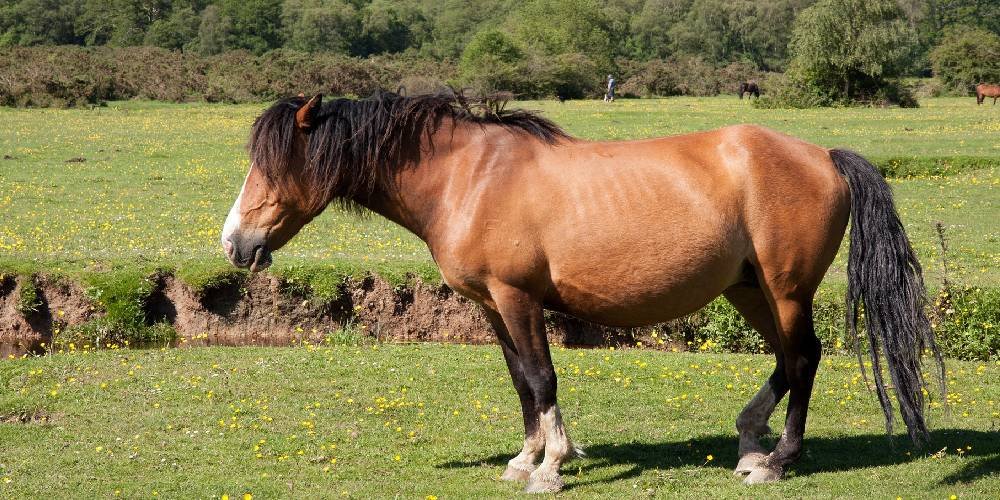
Horses are very sensitive creatures.
They develop close relationships with both people and other horses. They react to human emotions, recognize familiar faces, and get nervous when they are apart from friends.
A serene rider creates a serene horse. A tense rider frequently causes the horse to become anxious as well, demonstrating emotional awareness and mirroring.
- Crows: Surprisingly Deep and Emotional
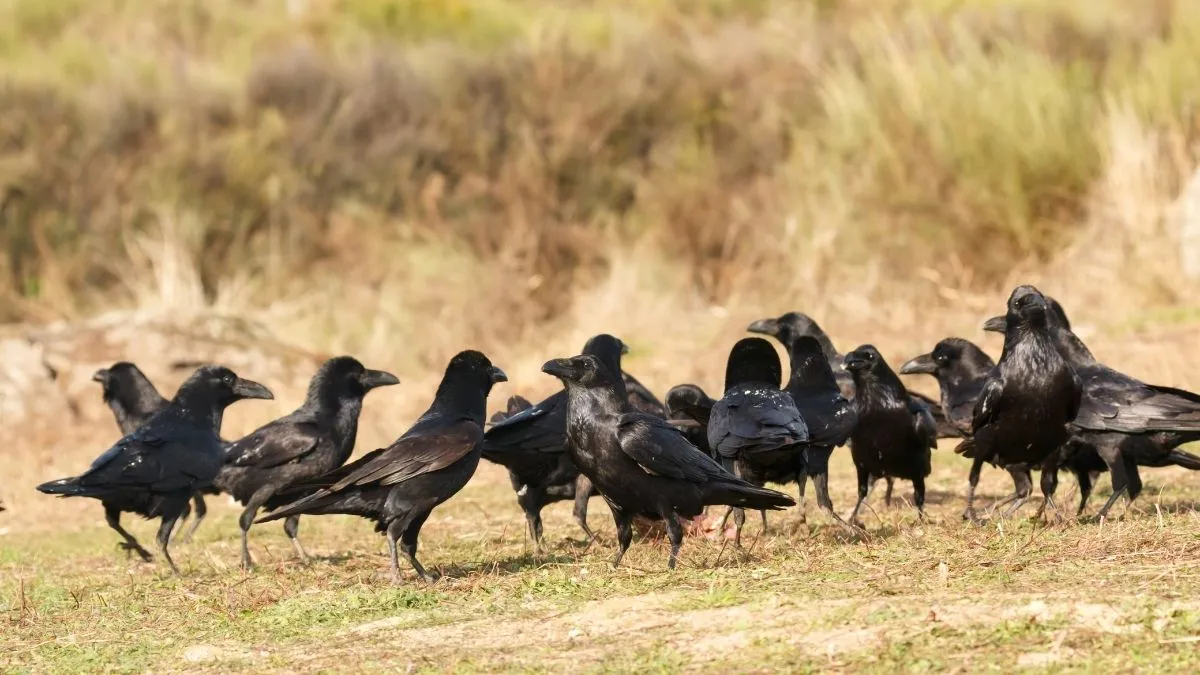
Crows exhibit surprising levels of intelligence and emotion.
They hold resentment, recall human faces, and alert other crows to possibly dangerous individuals. In what appears to be a funeral, they also congregate in silence around dead crows.
Crows play, make relationships, and even present gifts to those who feed them on a regular basis.
The Significance of Animal Emotions
Our treatment of animals is altered when we recognize their feelings.
Animals should be treated with compassion, respect, and moral consideration if they experience fear, loneliness, love, or grief. They’re not machines. They have inner worlds and are living entities.
Knowing this helps us become more responsible and humane individuals.
Concluding Remarks
Animals communicate by their actions, facial expressions, and interpersonal relationships even though they cannot speak our language. We witness emotions in action as a puppy waits at the door, an elephant laments a loss, or a dolphin rescues a friend.
Perhaps our emotions are what bind us to all living things, rather than what makes us human.