

Many of us stay up late in today’s hectic environment to do schoolwork, watch television, or browse through our phones. Sleeping late every night may seem innocuous, but you may be unaware of the subtle effects it has on your skin, mood, and vitality. Let’s examine the potential physical and psychological effects of your late-night behaviors.
- The Effects of Sleeping Late on Your Skin

While you sleep, your skin heals itself. This natural healing process is disrupted when you stay up late.
Skin that appears dull and exhausted: Sleeping late decreases blood flow to the skin, giving your face a lifeless, pale appearance.
Puffiness and dark circles: When you don’t get enough sleep, fluid accumulates under your eyes, giving you those dreaded dark circles.
Faster aging: The protein that keeps your skin tight, collagen, is produced less frequently when you don’t get enough sleep. Fine lines and wrinkles become more noticeable with time.
Acne and breakouts: Sleeping late increases cortisol and other stress hormones, which cause oily skin and acne.
💡 Advice: Your body begins its natural repair cycle about 11 PM, so try to go to bed before then.
- How Your Mood Is Affected by Sleeping Late
Deep sleep is necessary for your brain to control your emotions. Your emotional equilibrium is upset when you put off going to bed.
Irritability: You may get grumpy or easily irritated after just one late night’s sleep.
Stress and anxiety: Staying up late raises stress hormones, which can cause anxiety the next day.
Lack of focus: Your brain’s decision-making and memory regions are impacted by insufficient sleep.
💬 Have you ever observed that after a restless night, you get furious more quickly? That’s your brain’s lack of patience!
- How Your Energy Levels Are Affected by Sleeping Late
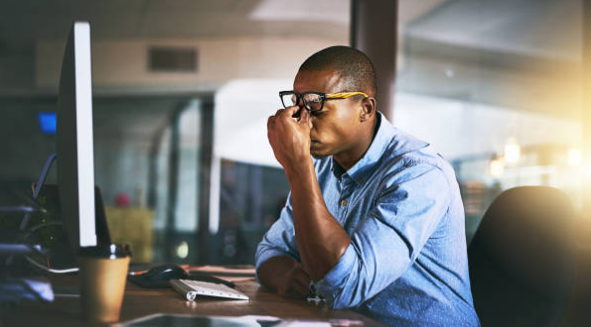
Your circadian rhythm, or body clock, is thrown off when you sleep late. This indicates that your body is unsure about when to relax and when to be active.
Morning fatigue: Regardless of how long you sleep, you wake up exhausted.
Low productivity: People who sleep late frequently find it difficult to stay up in the morning, which has an impact on their ability to work or study.
Weakened immunity: You become more vulnerable to illnesses and colds as your immune system deteriorates.
Caffeine dependence: You can get more dependent on coffee or tea to stay awake, which could lead to a dangerous cycle.
💡 Advice: To gradually adjust your schedule, try going to bed fifteen minutes earlier every night.
- The Optimal Sleep Hours for Mental and Physical Well-Being
Adults should get 7 to 9 hours of sleep, preferably between 10 PM and 6 AM, according to experts.
Your body passes through crucial stages at that time:
Physical repair (skin, muscles, tissues) from 10 PM to 2 AM
Mental recuperation (memory, mood, and focus) from 2 to 6 AM
Conclusion
While it may seem productive or soothing at the time, sleeping late subtly depletes your beauty, vitality, and attitude.
The key to having radiant skin, a steady mind, and a lot of energy is to go to bed early, wake up early, and let your body work its magic.