
The essence of life is water. It is necessary for the efficient operation of every cell, tissue, and organ in your body. However, until their bodies begin to alert them, many people are unaware that they are not drinking enough. Dehydration, exhaustion, and even long-term health problems may result from ignoring these symptoms.
Here are seven indicators that your body may be dehydrated and in need of additional water:
- Persistent exhaustion and low vitality
Dehydration may be the cause of your fatigue if you don’t know why. Without enough water, your body finds it difficult to maintain energy levels. Water helps carry nutrients and oxygen to your cells.
- Dry Lips and Skin
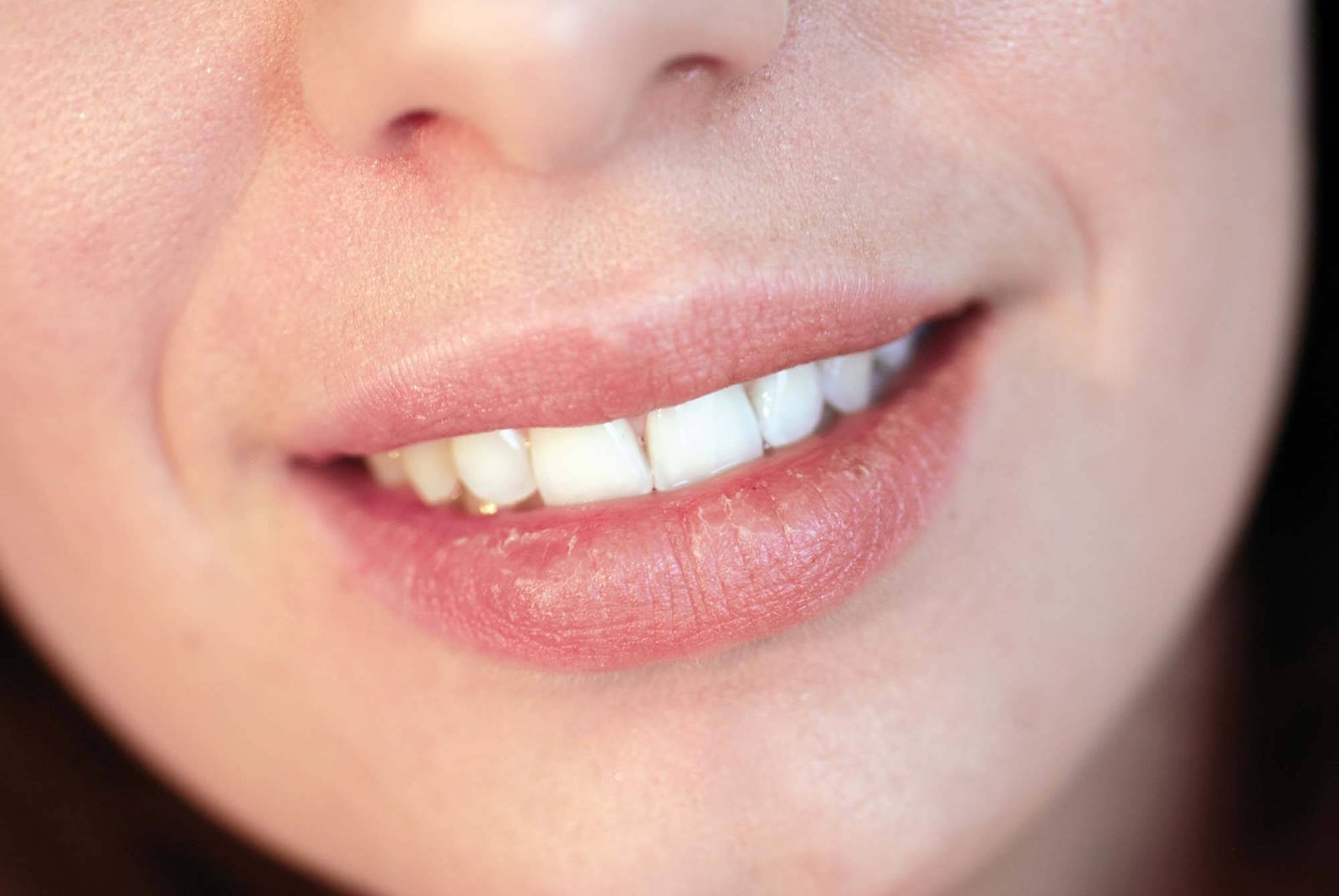
One of the first signs of dehydration is on your skin. It’s obvious that you’re not getting enough water if your lips are constantly chapped or if your skin feels dry, flaky, or less elastic.
- Urine that is dark yellow
Your degree of hydration can be inferred from the color of your urine. Urine that is amber or dark yellow typically indicates that your body needs more water. Your urine should ideally be virtually clean or pale yellow.
- Headaches and lightheadedness

Headaches and dizziness can result from dehydration, which lowers the quantity of fluid surrounding the brain. Try drinking a glass of water before reaching for medicines if you frequently experience headaches.
- Bad breath and dry mouth
Saliva aids in the removal of oral germs. Your body generates less saliva when you’re dehydrated, which encourages the growth of bacteria and causes dry mouth and bad breath.
- Cramps in the muscles
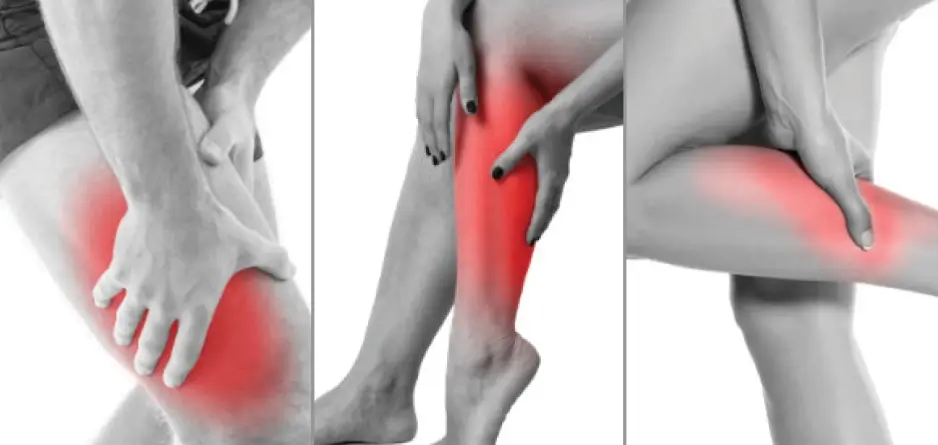
For your muscles to contract smoothly, they require adequate water and electrolytes. An imbalance brought on by dehydration can trigger abrupt cramps or spasms, particularly when exercising.
- Digestive issues or constipation
Water facilitates the passage of food via your digestive tract. If you don’t get enough of it, your stool is hard and difficult to pass, which can lead to discomfort and constipation.
Concluding Remarks
Keeping your body functioning at its peak requires drinking adequate water, not merely to satisfy your thirst.
Try to drink eight to ten glasses of water a day, or more if you exercise frequently or live in a hot climate.
Pay attention to your body and don’t disregard its thirst!